Filitosa, a Prehistoric Site in Southern Corsica
Discover the Archaeological Site of Filitosa
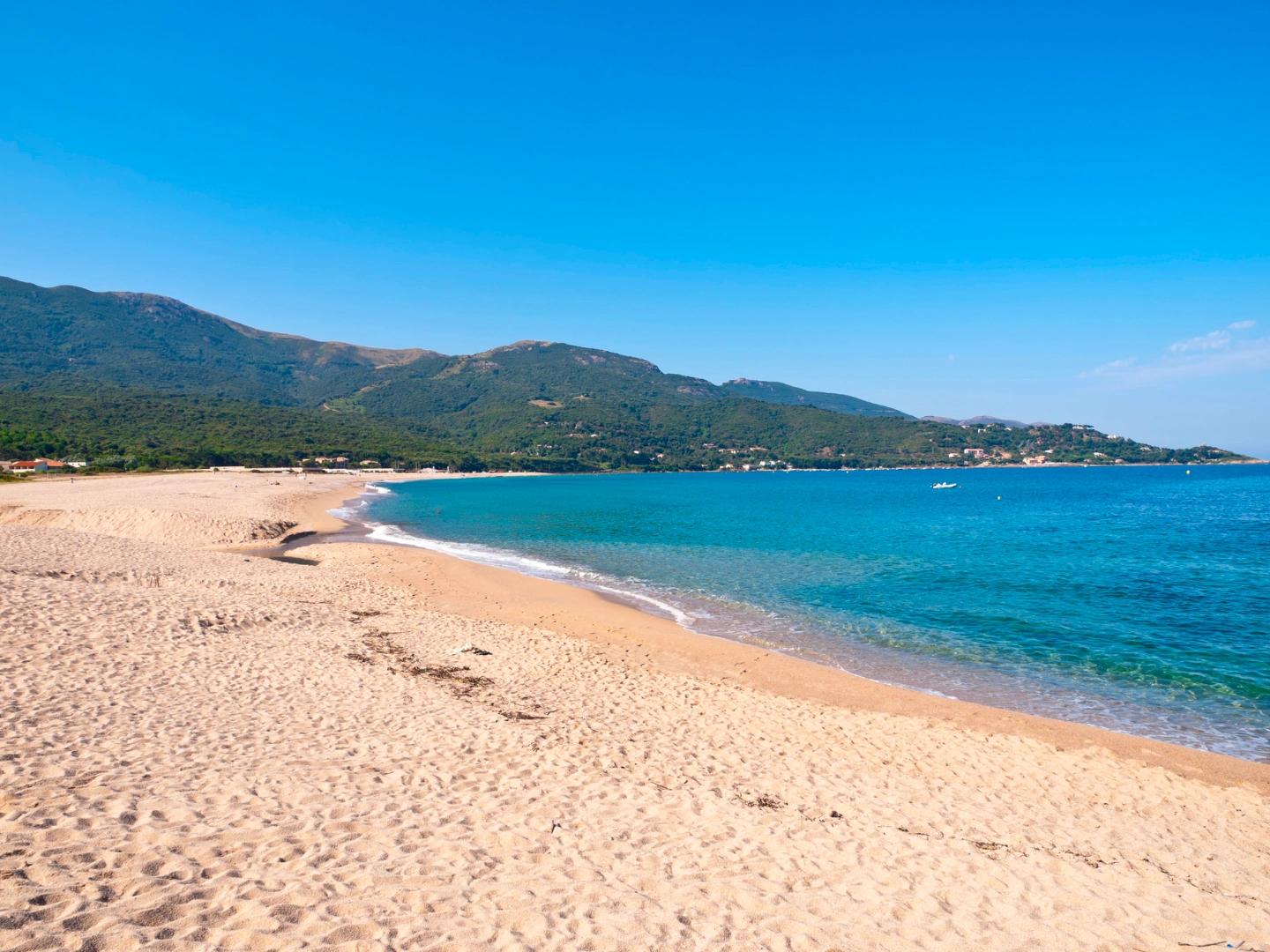
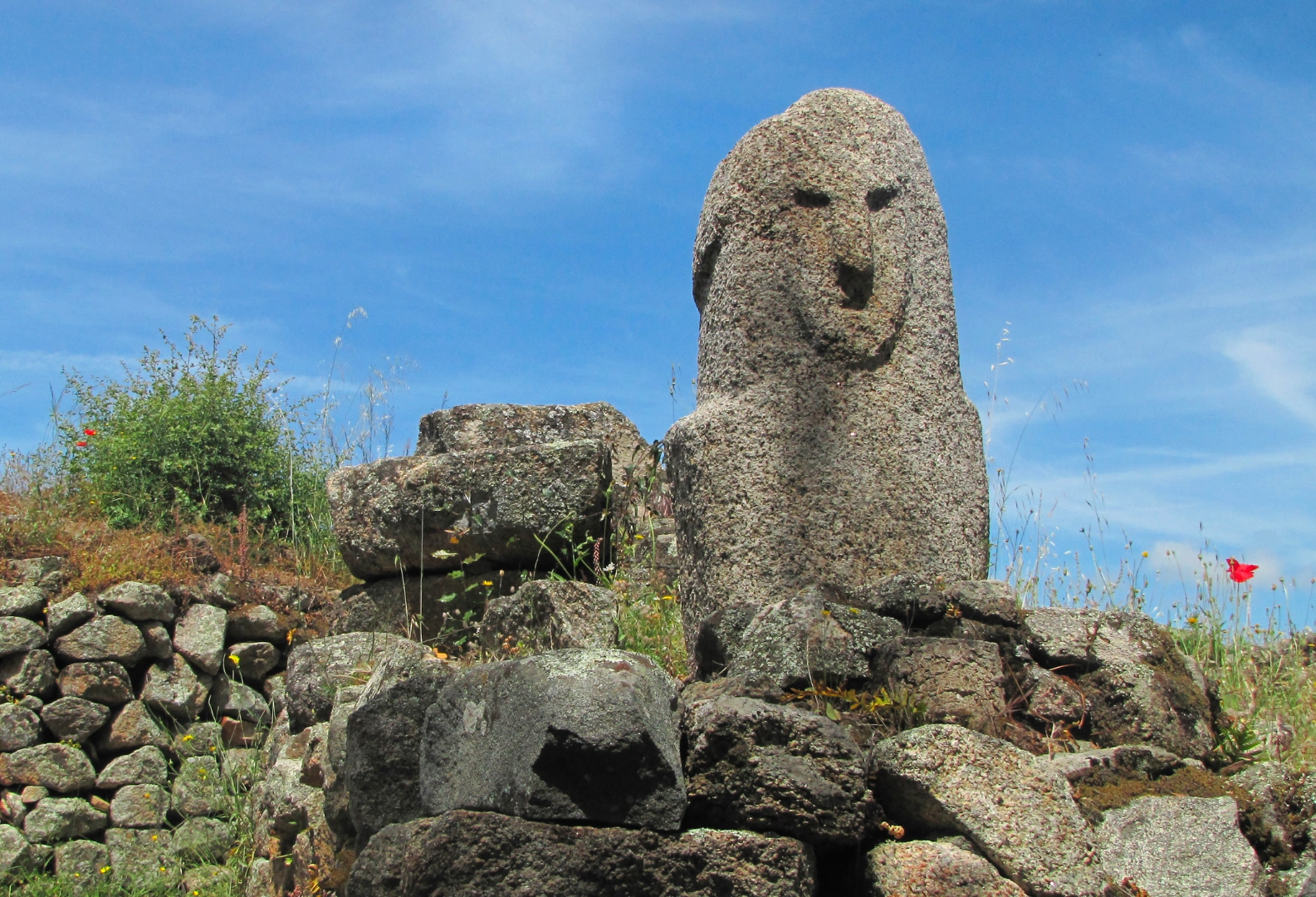
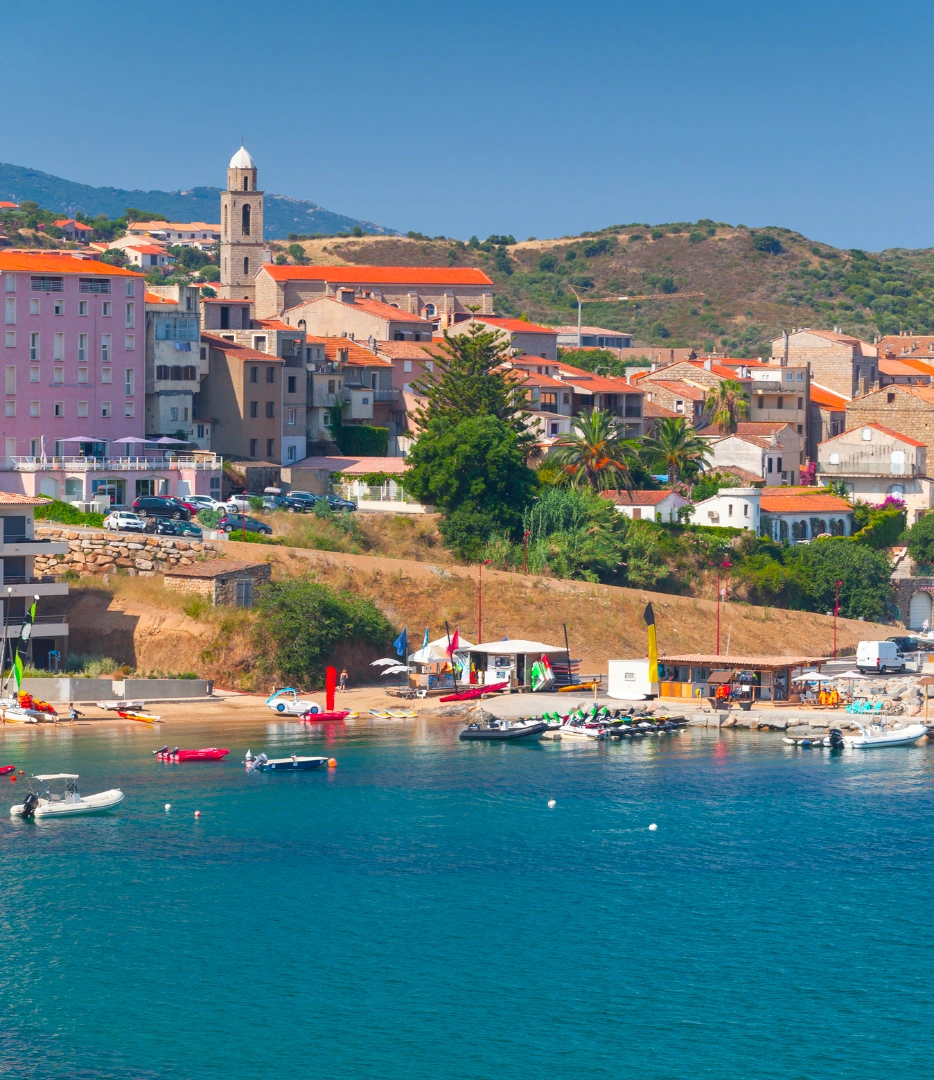
Located near the Gulf of Valinco, the Filitosa site is one of the main prehistoric sites in Corsica. It brings together a collection of remains dating back several millennia, including its famous carved statue-menhirs.
Easy to access and well laid out, Filitosa offers visitors the opportunity to discover an important part of the island’s ancient history in a preserved natural setting.
At the Origins of the Island
Filitosa, a Major Site of Corsican Prehistory
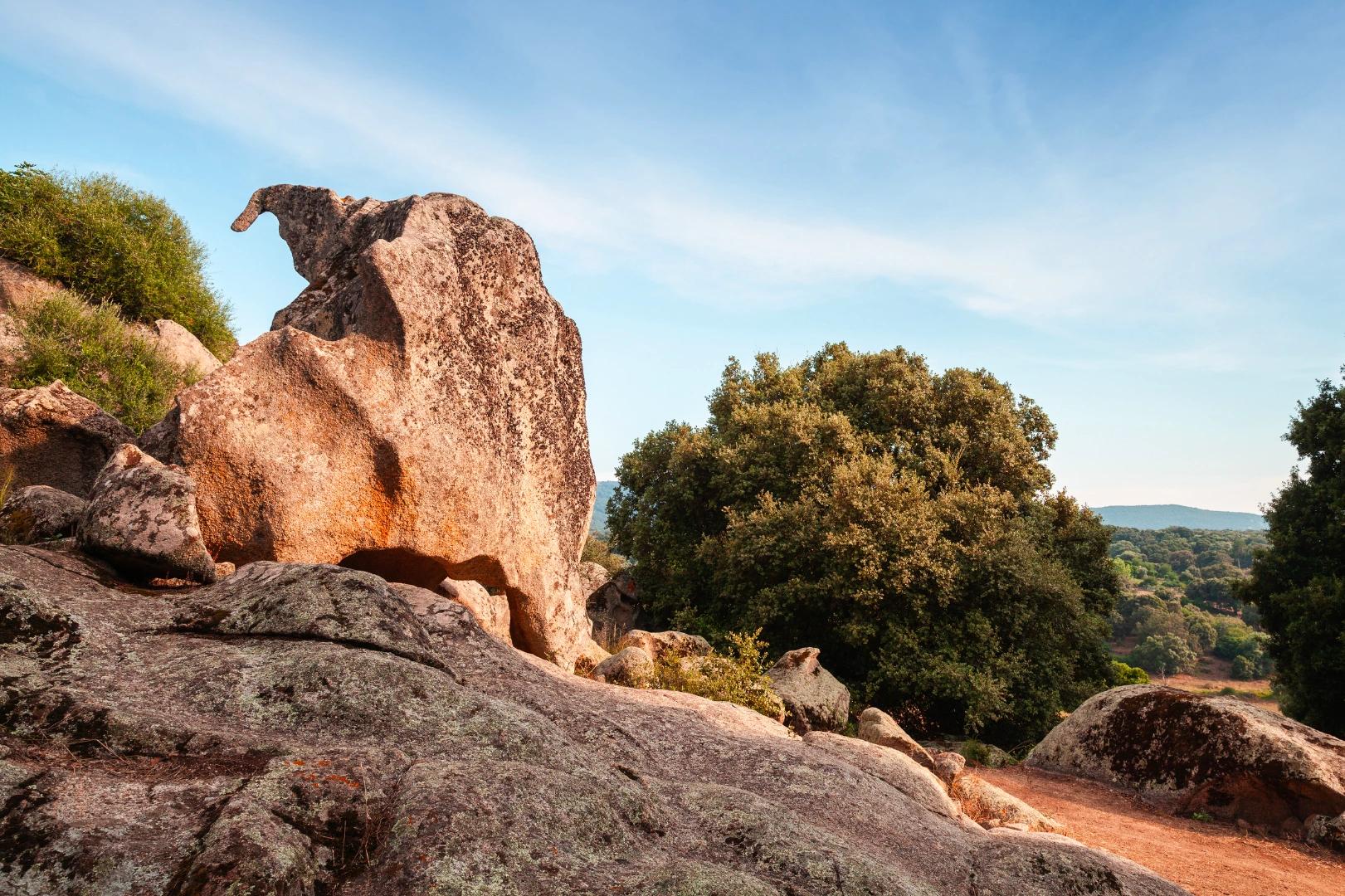
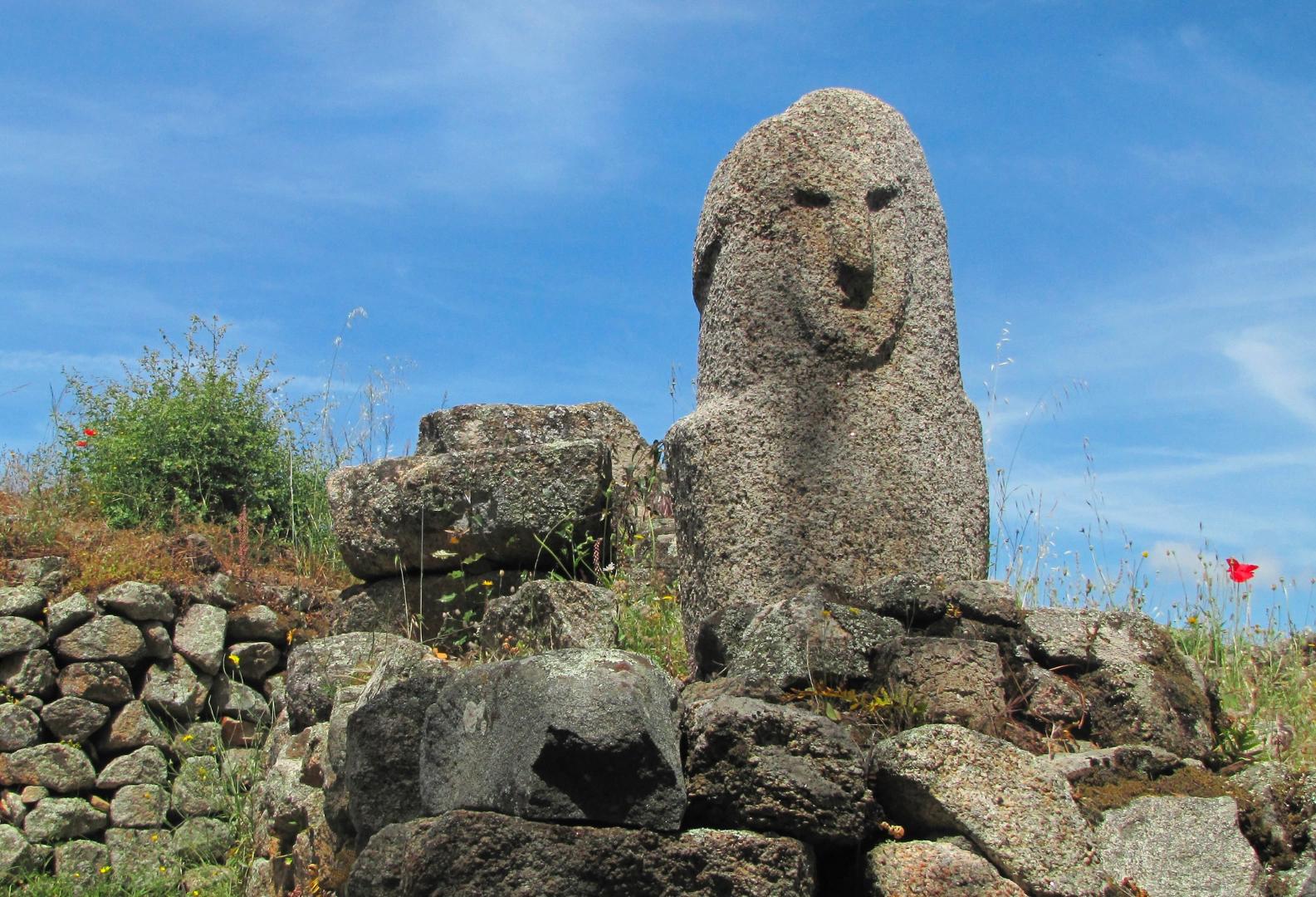
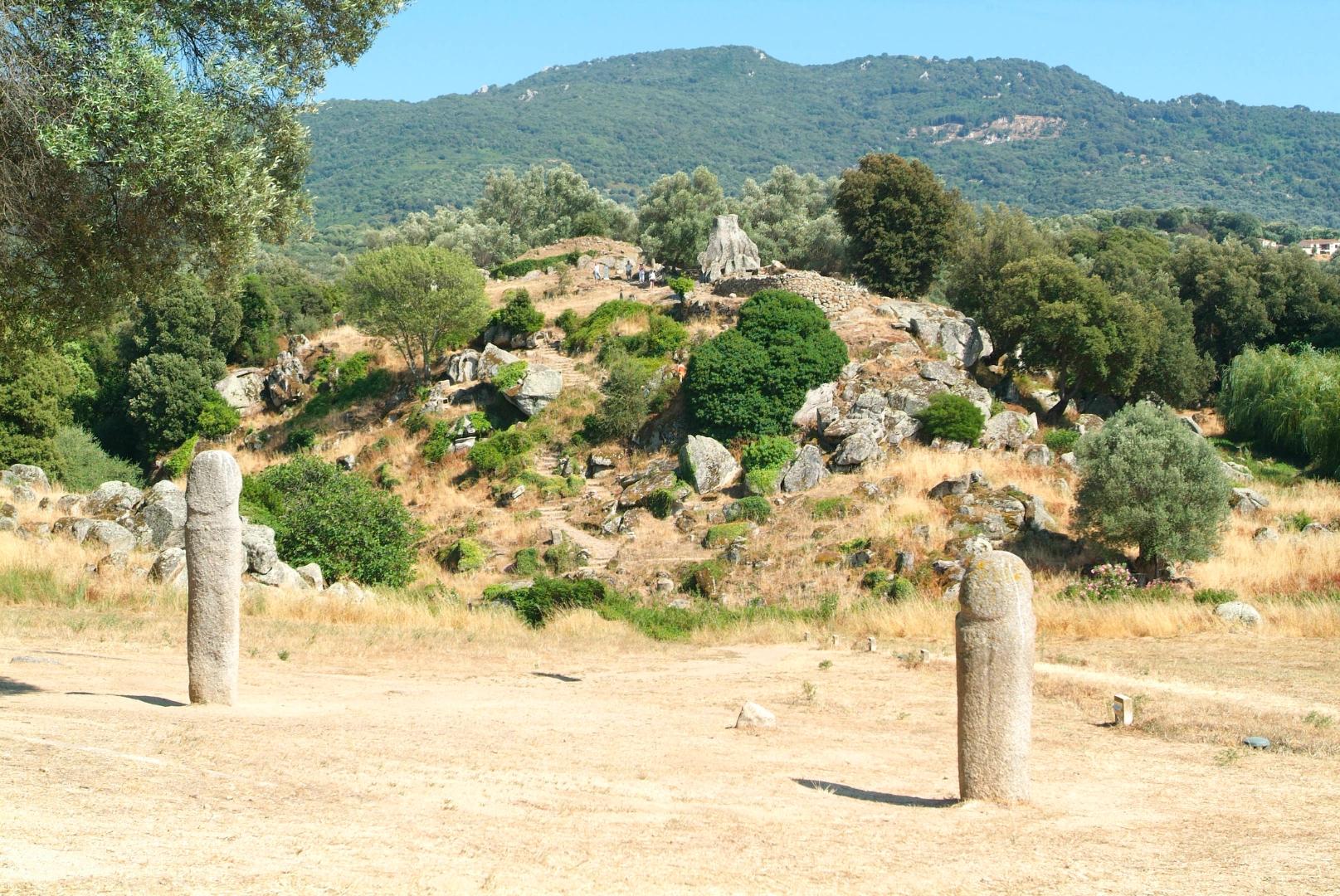
Discovered in the 1940s, Filitosa is now considered a key reference for the study of prehistory in the western Mediterranean. The site is best known for its statue-menhirs, standing stones sometimes carved with faces or weapons, dating from around 3000 BC. Visitors can also see the remains of dwellings, circular structures, and defensive elements that testify to the organization of the populations of that era.
A Visit in the Heart of Nature
Visiting Filitosa
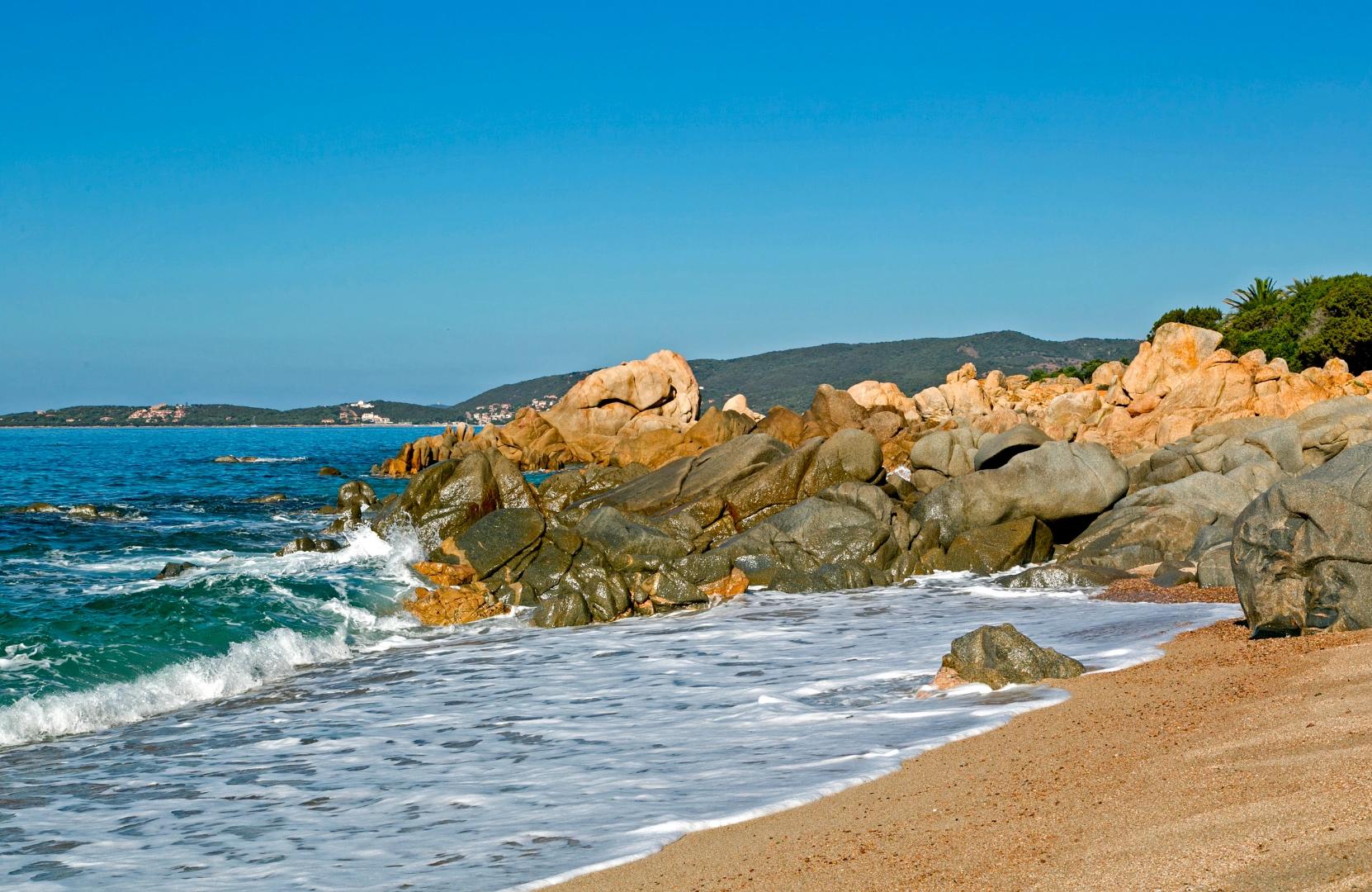
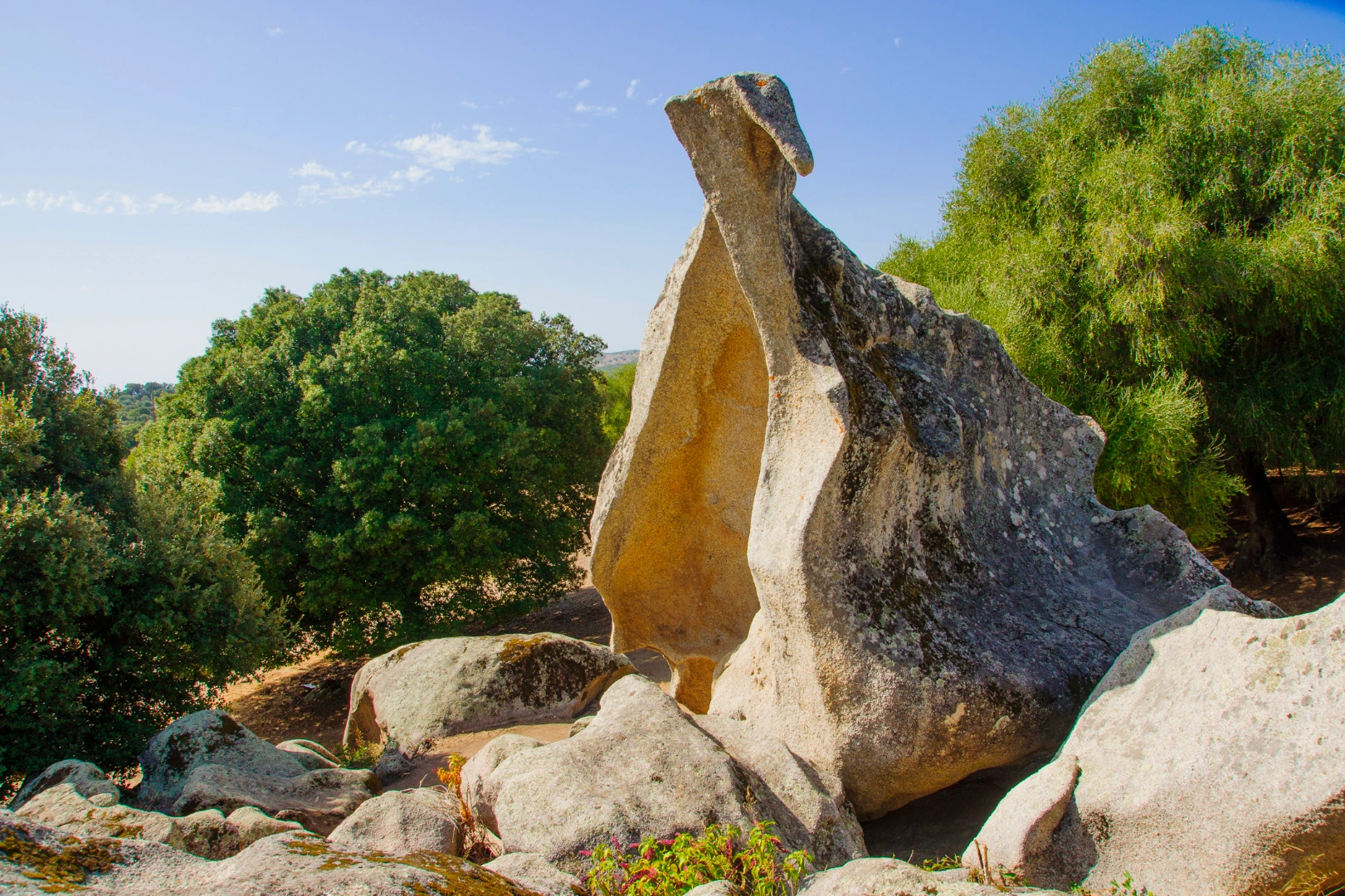
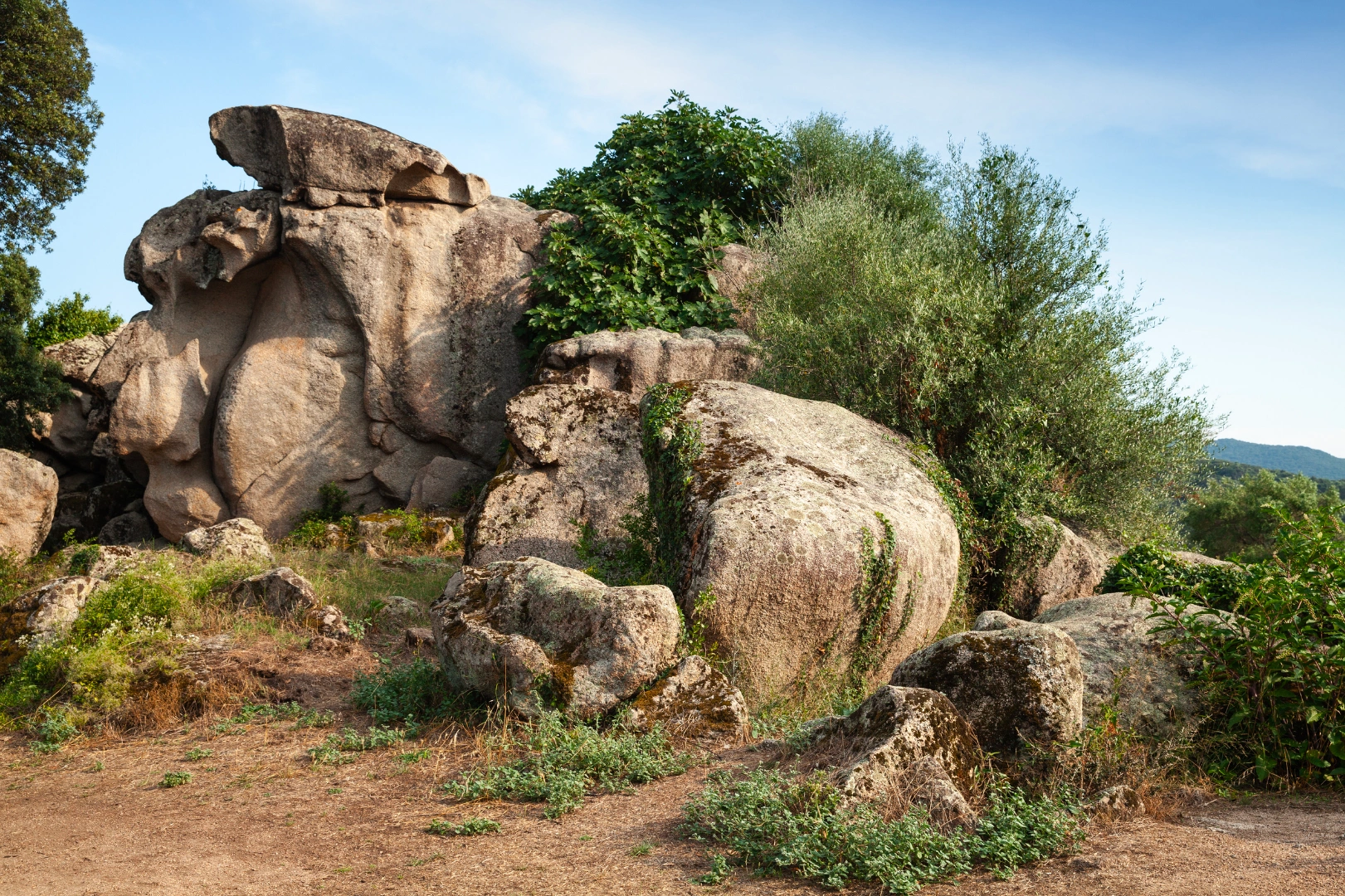
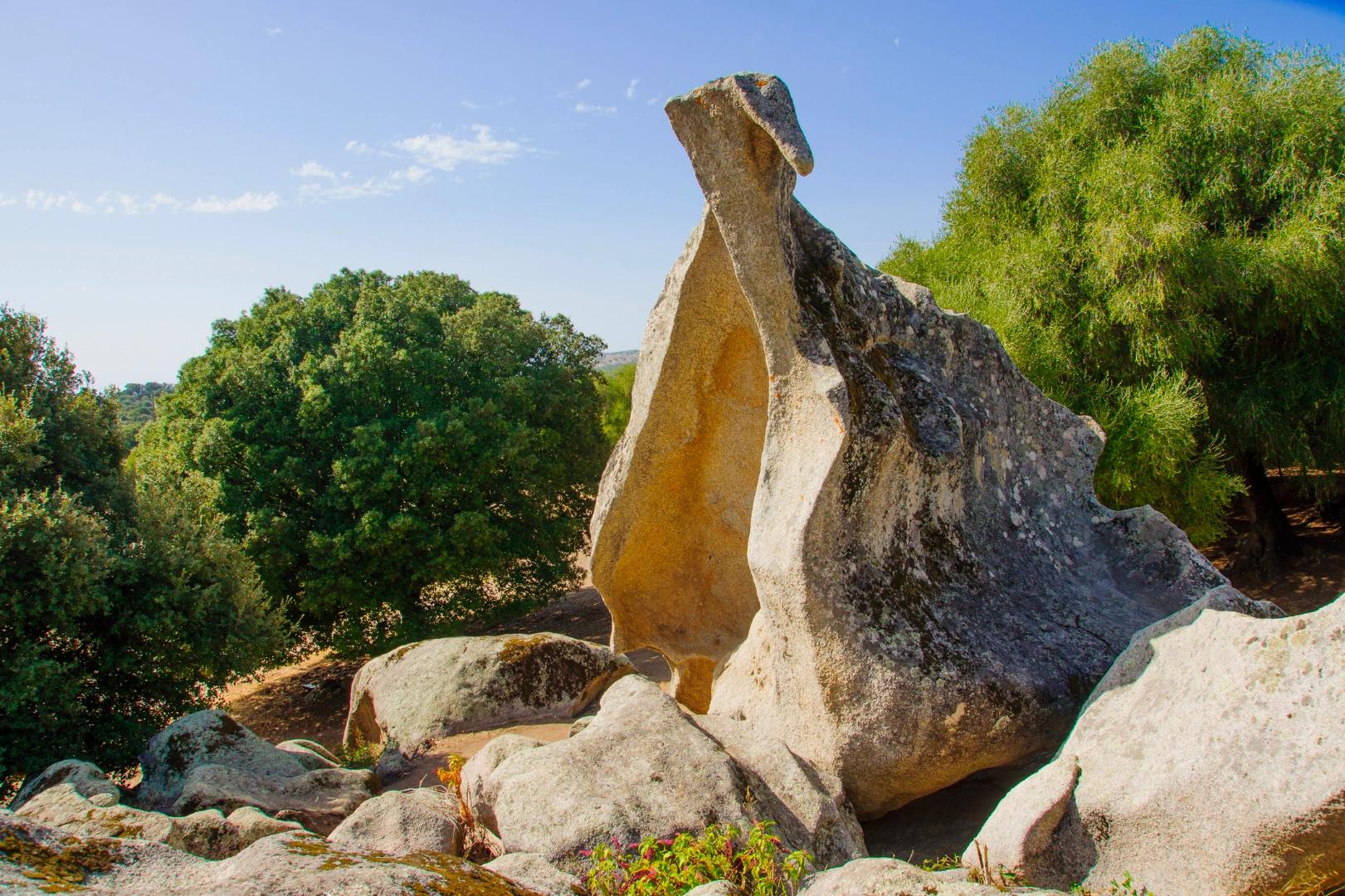
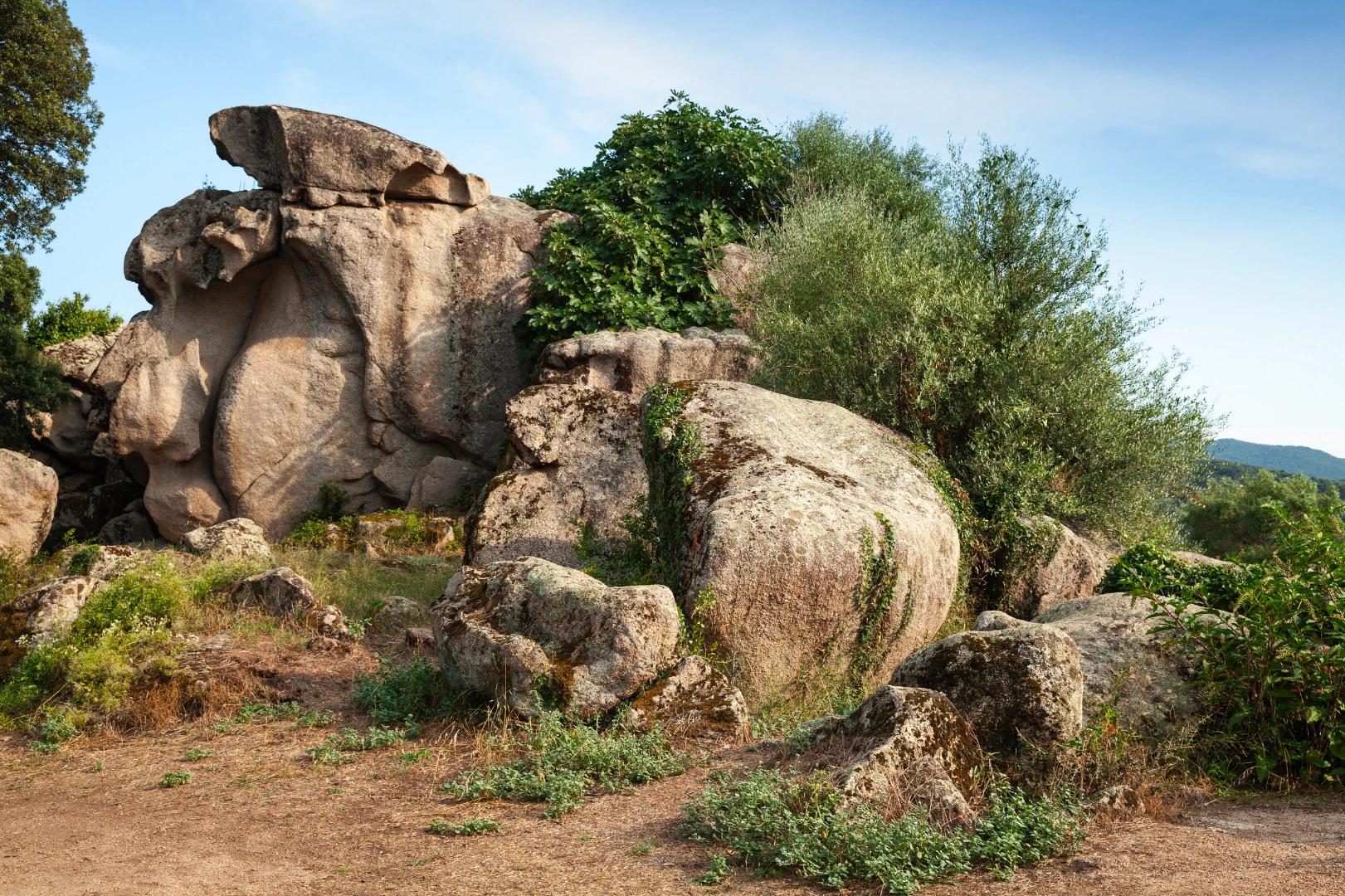
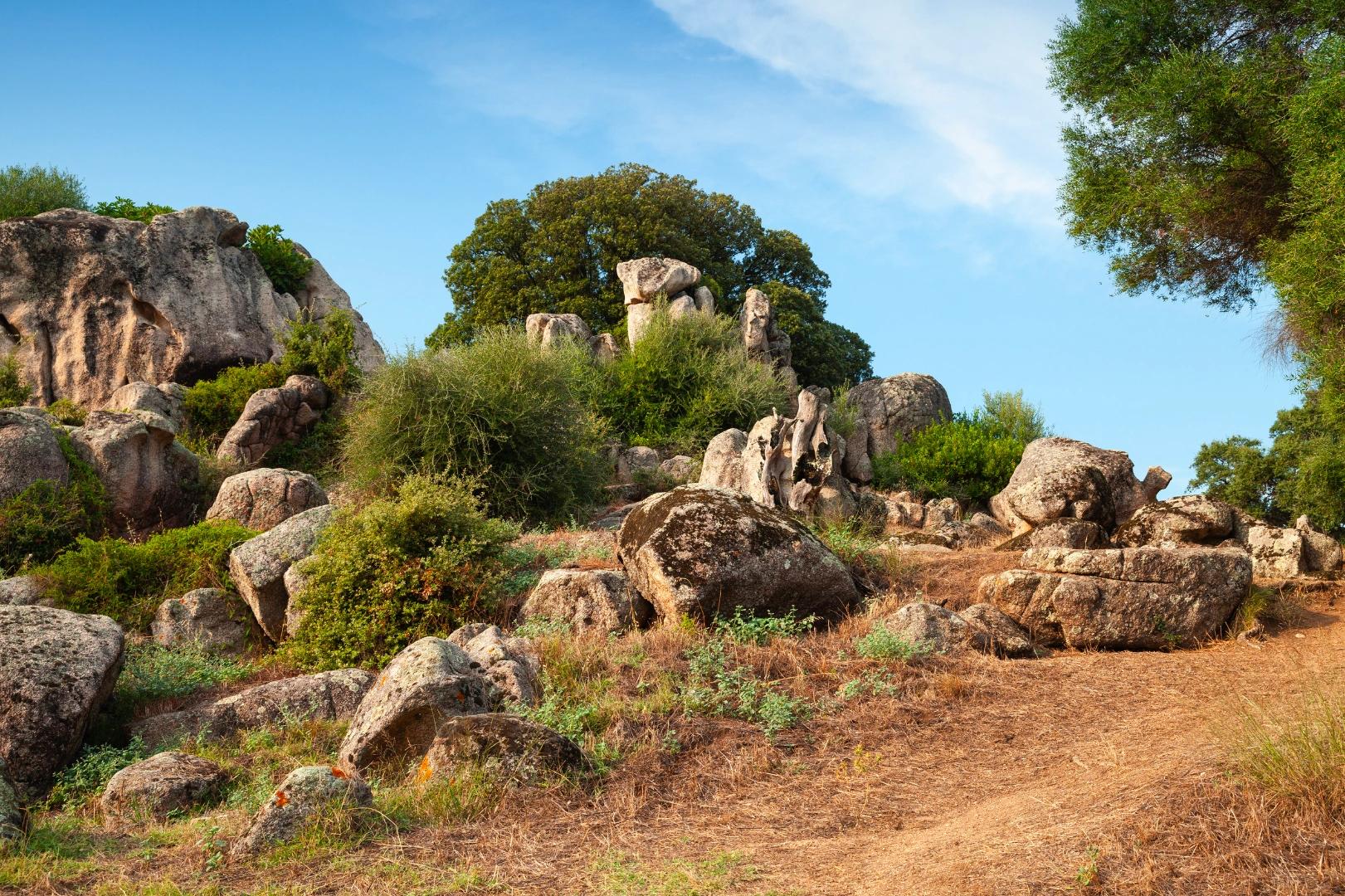
The site extends across a natural environment of olive trees, rocks, and Mediterranean vegetation. The visit is done on foot along a marked trail, allowing visitors to gradually discover the different remains while enjoying a peaceful and pleasant setting. The site is accessible and suitable for family visits.
Plan Your Visit
Practical Information for Visitors
The visit generally lasts between 1 and 2 hours, depending on your pace.
Informational panels are installed throughout the route to provide historical context and help visitors better understand the site. A reception area with a gift shop is also located at the entrance.
Just Steps from the Gulf of Valinco
Getting to Filitosa from Valinco
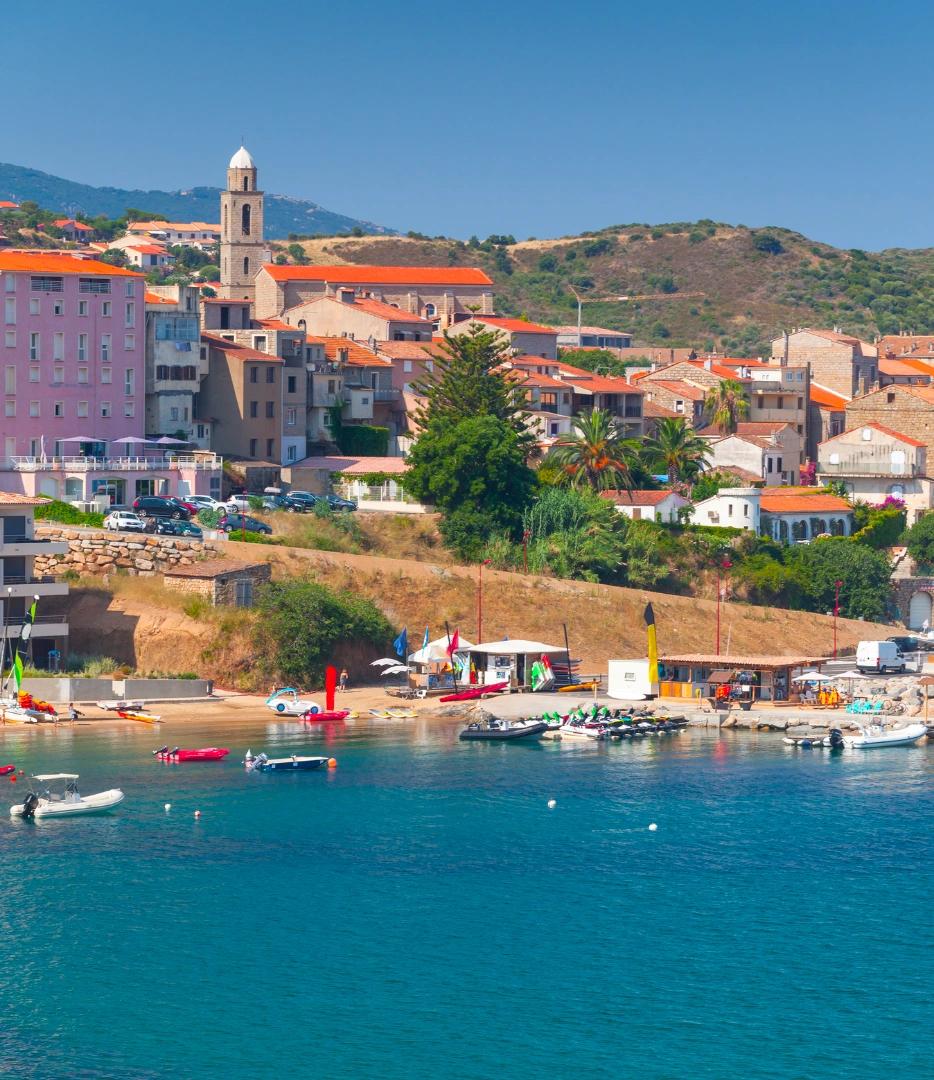
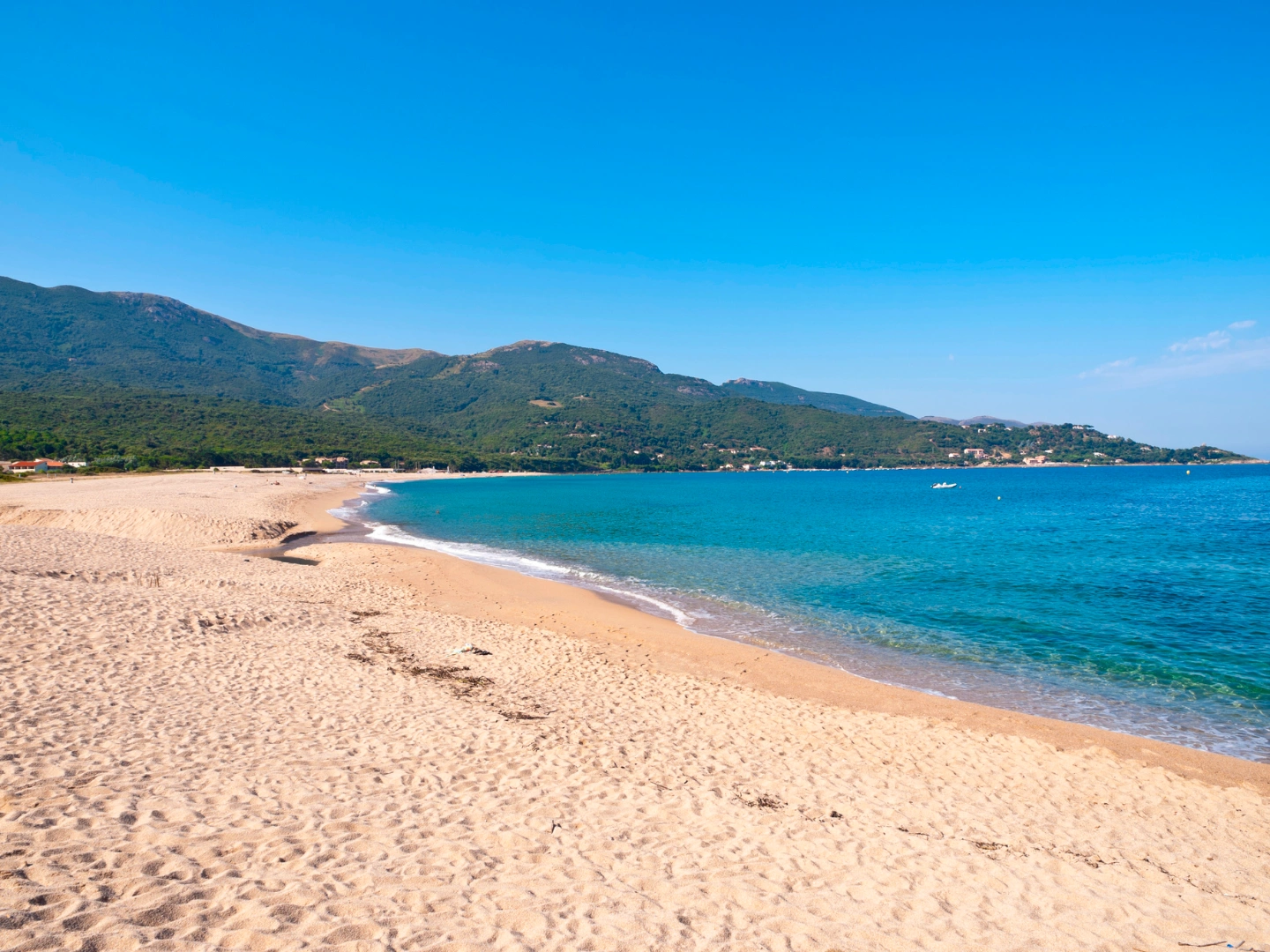
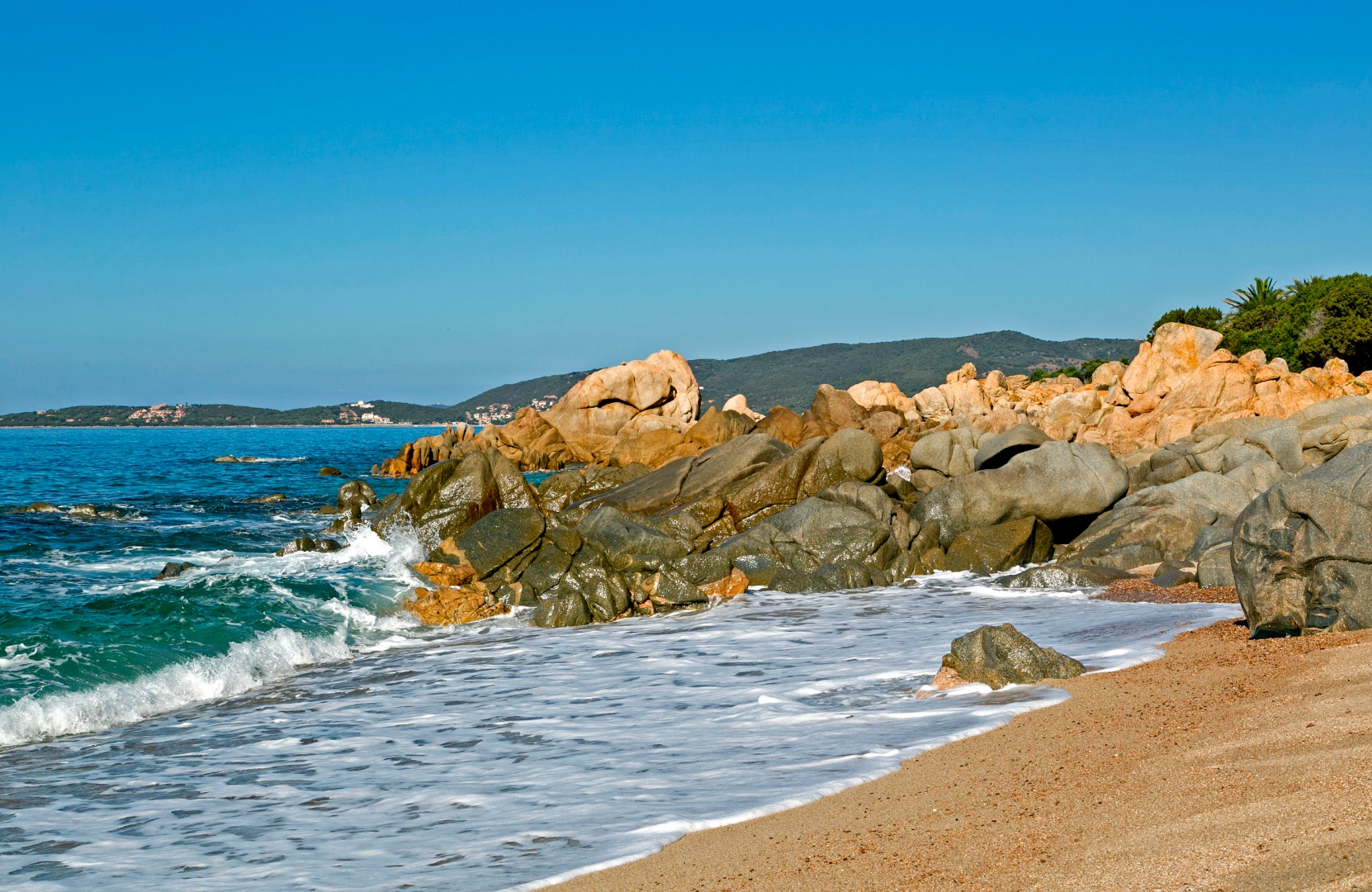
The Filitosa site is located about 20 minutes from Propriano and close to the village of Sollacaro. It is an easy excursion to include during a stay in the region, complementing visits to beaches and traditional villages. A simple and accessible outing to discover another side of Corsica—one that is more historical and cultural.